

Acupuncture for Urinary Issues
Urinary issues are more common than most people think, but that doesn’t make them any less disruptive. If you’re dealing with urgency, frequent trips to the bathroom, waking at night to urinate, leakage that affects your confidence, or a constant pressure in the bladder, it can feel like your body is in charge of your day.
Some people struggle with overactive bladder symptoms. Others experience recurrent urinary tract infections (UTIs), cystitis, or bladder irritation that keeps returning despite treatment. You may even have burning or urgency with a negative urine test and feel unsure where to turn next.
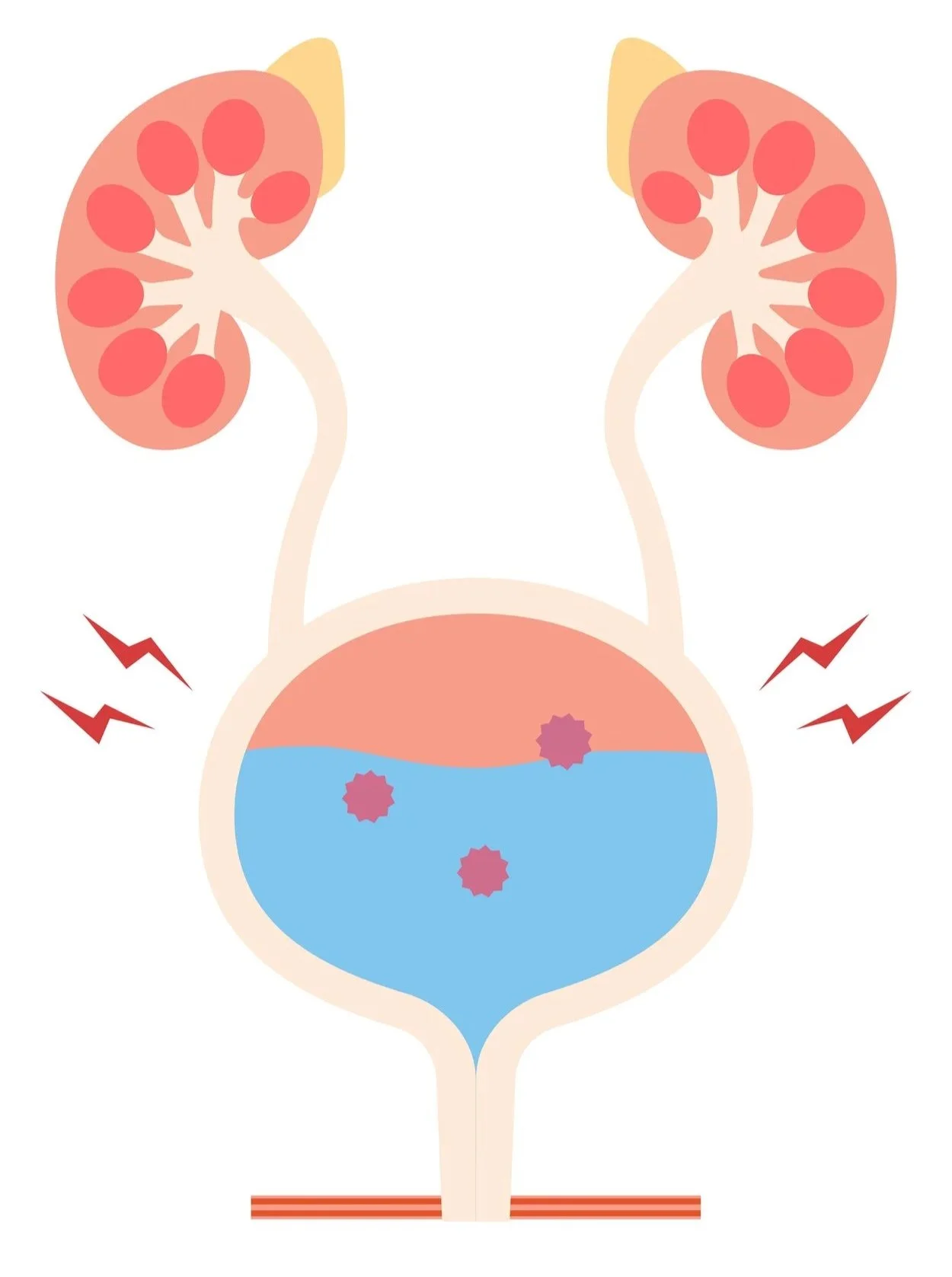
“Frequent trips to the bathroom, urgency, nighttime urination, or bladder discomfort — whether postpartum, during menopause, or with recurrent UTIs — can feel overwhelming. Acupuncture offers gentle, whole-person support to help restore comfort and improve bladder function.”
Postpartum urinary changes can be especially frustrating. You may be doing everything “right” — pelvic floor exercises, hydration, rest — and still notice lingering frequency, leakage, or sensitivity months after delivery. Hormonal changes during perimenopause and menopause can also contribute to increased urinary frequency, urgency, or repeat infections.
Alongside conventional evaluation and care, acupuncture offers a gentle, whole-person approach that many people use for support with:
Urinary urgency and frequency
Overactive bladder
Stress or urge incontinence
Recurrent UTIs
Cystitis and bladder irritation
Postpartum bladder changes
Perimenopause/Menopause bladder changes
Below, we’ll cover common urinary symptoms, how acupuncture may help, and a clear comparison to a Western treatment option for overactive bladder called Percutaneous Tibial Nerve Stimulation (PTNS).
Common Urinary Symptoms People Experience
Urinary symptoms often fall into a few categories, and identifying which pattern fits you can help guide the most useful support.
Overactive bladder patterns: Overactive bladder typically involves urgency and frequent urination that can be difficult to postpone. Symptoms may include:
Sudden, strong urges to urinate
Frequent daytime urination
Waking at night to urinate (nocturia)
Urge incontinence or leakage after a strong urge
Stress urinary incontinence: Stress incontinence is leakage linked to pressure on the pelvic floor. This may happen when laughing, coughing, sneezing, running, jumping, lifting, or exercising. It is especially common postpartum and during perimenopause and menopause, when hormonal shifts affect tissue tone and pelvic support.
Recurrent UTIs and cystitis: Some people experience repeated urinary tract infections or frequent episodes of cystitis (bladder inflammation). Symptoms may include:
Burning with urination
Pelvic or bladder pressure or pain
Cloudy or strong-smelling urine
A feeling of needing to urinate again immediately after finishing
Symptoms that improve with antibiotics but return weeks or months later
If you’ve found yourself wondering, “Why do I keep getting UTIs?” you’re not alone. Recurrent infections can be frustrating and disruptive, especially when they interfere with travel, intimacy, sleep, or daily life.
Bladder pain and irritation without infection: In some cases, urinary urgency, burning, or pelvic discomfort occurs even when urine tests are negative. This pattern is sometimes diagnosed as bladder pain syndrome or interstitial cystitis.
Symptoms may include:
Persistent bladder pressure
Pain that worsens as the bladder fills
Relief after urinating
Ongoing urgency without a clear infection
These symptoms deserve careful evaluation. Acupuncture is often used as supportive care alongside medical management for chronic bladder irritation.
Postpartum urinary changes: After pregnancy and birth, many people notice urinary changes such as leakage with movement, increased urgency, reduced pelvic stability, or a sense that bladder control feels “different.” These symptoms are common, but they shouldn’t be dismissed if they’re affecting your sleep, energy, or quality of life.
Urinary Changes During Perimenopause and Menopause: During perimenopause and menopause, declining estrogen and hormonal shifts can affect bladder tissues and pelvic floor support. This may contribute to:
Urinary urgency or frequent trips to the bathroom
Leakage with coughing, sneezing, or movement
Nighttime urination (nocturia)
Bladder discomfort or irritation, sometimes without infection
Increased susceptibility to recurrent UTIs or cystitis
Acupuncture can be supportive during this life stage because it addresses the whole system. By helping regulate bladder signaling, reducing pelvic tension, and addressing contributing factors like stress, sleep, and digestion, acupuncture can be part of a comprehensive approach to maintaining comfort and urinary health.
Why Urinary Issues Happen
Urinary concerns can have more than one contributor, which is why some people feel like they’ve tried “everything” without lasting results. Common influences include:
Pelvic floor weakness or poor coordination
Bladder hypersensitivity or involuntary bladder contractions
Hormonal shifts postpartum, during perimenopause, or menopause
Changes in nerve signaling between the bladder and brain
Recurrent urinary tract infections (UTIs) or cystitis that keep returning despite treatment
Bladder irritation or chronic bladder pain even when urine tests are negative
Lifestyle factors can also play a role, including stress, sleep disruption, constipation, hydration timing, and bladder irritants such as caffeine or acidic foods.
In some cases, urinary symptoms may be linked to infections, pelvic organ prolapse, medication side effects, or other medical conditions. If symptoms are new, painful, or worsening, it’s important to seek a medical evaluation.
Understanding the underlying contributors can help guide effective support. Acupuncture often works best as part of a comprehensive approach, addressing both bladder function and the body’s overall balance.
How Acupuncture Can Support Urinary Symptoms
Acupuncture and Chinese medicine focus on the whole system because the bladder doesn’t operate in isolation. Many people use acupuncture to support urinary patterns by helping:
Regulate the nervous system controlling bladder signaling
Support recovery and circulation in the pelvic region
Reduce stress and tension that can amplify urgency, frequency, or bladder pain
People with overactive bladder or stress incontinence may notice fewer urgent episodes, reduced nighttime trips, and an improved sense of control. Those experiencing recurrent UTIs, cystitis, or chronic bladder irritation often report less burning or pressure, fewer repeat infections, and a more comfortable bladder overall.
Acupuncture can also improve sleep, body tension, and overall balance, which indirectly reduces bladder sensitivity. It’s important to stay realistic: acupuncture is supportive and symptom-focused, not a cure. The goal is meaningful improvement over time, often paired with a plan that matches the chronicity and severity of symptoms.
Postpartum Urinary Issues and Acupuncture
Postpartum recovery involves physical healing, hormonal shifts, and nervous system strain. The pelvic floor may be weak, overstretched, or compensating in ways that create tension and guarding. This tension can sometimes contribute to:
Urgency or frequent trips to the bathroom
Leakage or stress incontinence
Sensations of incomplete emptying
Discomfort, pressure, or burning
Recurrent urinary tract infections or cystitis
Acupuncture can be a supportive part of postpartum care because it is gentle, non-invasive, and adaptable. A thoughtful plan considers your birth history and recovery timeline, sleep quality, constipation, low back or pelvic tension, and emotional load. Many people also benefit from pelvic floor physical therapy, which acupuncture can complement.
By addressing both physical and systemic factors, acupuncture can help reduce bladder sensitivity, support pelvic floor recovery, and improve overall comfort and confidence after pregnancy.
Case Study: Supporting Chronic Urinary Patterns with Acupuncture
C, 83 years old, was referred by her gynecologist for severe nighttime urinary frequency, which often resulted in bedwetting. Her symptoms began after a hysterectomy, and she had already undergone two bladder sling surgeries without improvement.
When she first started acupuncture, C was getting up to urinate five times per night and often wet the bed before waking in the morning. Despite controlling fluid intake in the evenings, nothing she tried provided relief. This pattern was clearly disruptive to her sleep, energy, and overall well-being.
After four acupuncture treatments, including electro-acupuncture over the PTNS sites, her nighttime frequency began to improve. After eight treatments, she was waking only twice per night. With ongoing weekly acupuncture, she has been able to maintain this improvement. On occasions when treatments were missed due to illness or family emergencies, her frequency would increase, but acupuncture reliably helped reduce it back to two times per night.
This case highlights how chronic urinary patterns, whether due to aging, surgery, recurrent UTIs, or bladder irritation, often require consistent, supportive care. Improvements can be significant, but the body may need ongoing attention to maintain stability over time.
Acupuncture Compared With PTNS for Overactive Bladder
In acupuncture, we can mimic the effects of PTNS (Percutaneous Tibial Nerve Stimulation) by using electro-acupuncture at the same nerve stimulation sites near the ankle.
If you’ve explored Western options, you may have heard of PTNS. PTNS is a clinical therapy where a small needle is placed near the tibial nerve at the ankle to influence nerve pathways involved in bladder control. It is commonly offered for overactive bladder, urinary urgency, and frequent nighttime urination when lifestyle changes or medications aren’t enough or aren’t tolerated.
Both acupuncture and PTNS involve thin needles near the lower leg and aim to influence bladder nerve signaling. Both usually require a series of treatments rather than a single session.
The main differences are:
PTNS follows a standardized neuromodulation protocol used in urology clinics.
Acupuncture is individualized and addresses the whole system. In addition to urinary urgency and frequency, acupuncture may also support:
Sleep quality
Stress reduction
Digestion and constipation patterns
Postpartum recovery
Pelvic tension
For some people, acupuncture is a conservative first step. For others, it can be used alongside PTNS to support overall bladder regulation and quality of life. Your best approach depends on your symptoms, preferences, and medical history.
Practical Tips That Often Help Alongside Treatment
Many people see better results when acupuncture is paired with simple, consistent lifestyle and self-care changes. Some strategies that often support urinary health include:
Reducing bladder irritants such as caffeine, alcohol, and acidic foods
Shifting fluids earlier in the day to reduce nighttime urination (nocturia)
Supporting bowel regularity to decrease pelvic pressure and bladder irritation
Practicing mindful pelvic floor exercises: coordination and relaxation often matter as much as strengthening
Postpartum pelvic care: pelvic floor physical therapy can strongly complement acupuncture to support recovery, stability, and bladder function
These tips can be helpful for people with overactive bladder, stress incontinence, recurrent UTIs, cystitis, or chronic bladder irritation.
When to Get Medical Support
While acupuncture is supportive, safety and accurate diagnosis come first. Seek medical evaluation if you experience:
Pain or burning with urination
Fever, chills, or flank pain
Blood in the urine
Sudden onset of severe urinary symptoms
Significant pelvic pressure
Addressing these signs promptly ensures that any infections, structural issues, or other medical conditions are treated appropriately. Acupuncture can then be used as part of a comprehensive approach for ongoing urinary support.
A Supportive Next Step
Urinary symptoms can feel isolating, but you don’t have to live with constant urgency, frequent nighttime trips, leakage, or discomfort from recurrent infections or bladder irritation. Whether you’re navigating postpartum changes, overactive bladder, stress incontinence, chronic urinary tract infections, or cystitis, acupuncture may offer a gentle, whole-person approach to support your bladder function and overall comfort.
Acupuncture can help regulate bladder signaling, reduce pelvic tension, support recovery after surgery or childbirth, and address contributing factors such as stress, sleep disruption, and digestion. While results vary, many people notice meaningful improvements in urinary frequency, urgency, nighttime urination, and bladder discomfort over time.
If you’re ready to explore a supportive, individualized approach, call or text Dr. Cindi Ignatovsky at 408-761-6251 to schedule an appointment or ask about a free 15-minute consultation. •
