

PCOS Is Now PMOS: What the Name Change Means
PCOS has always been more complex than its name suggested. For years, many women heard "polycystic ovary syndrome" and assumed the condition was primarily about ovarian cysts. Others were told to focus only on irregular periods, weight concerns, or fertility challenges, even when their symptoms affected many aspects of their health and daily life.
Now, PCOS is being renamed PMOS, which stands for Polyendocrine Metabolic Ovarian Syndrome. The new name reflects a growing understanding that this condition extends far beyond the ovaries. In fact, many women diagnosed with PCOS do not have ovarian cysts at all.
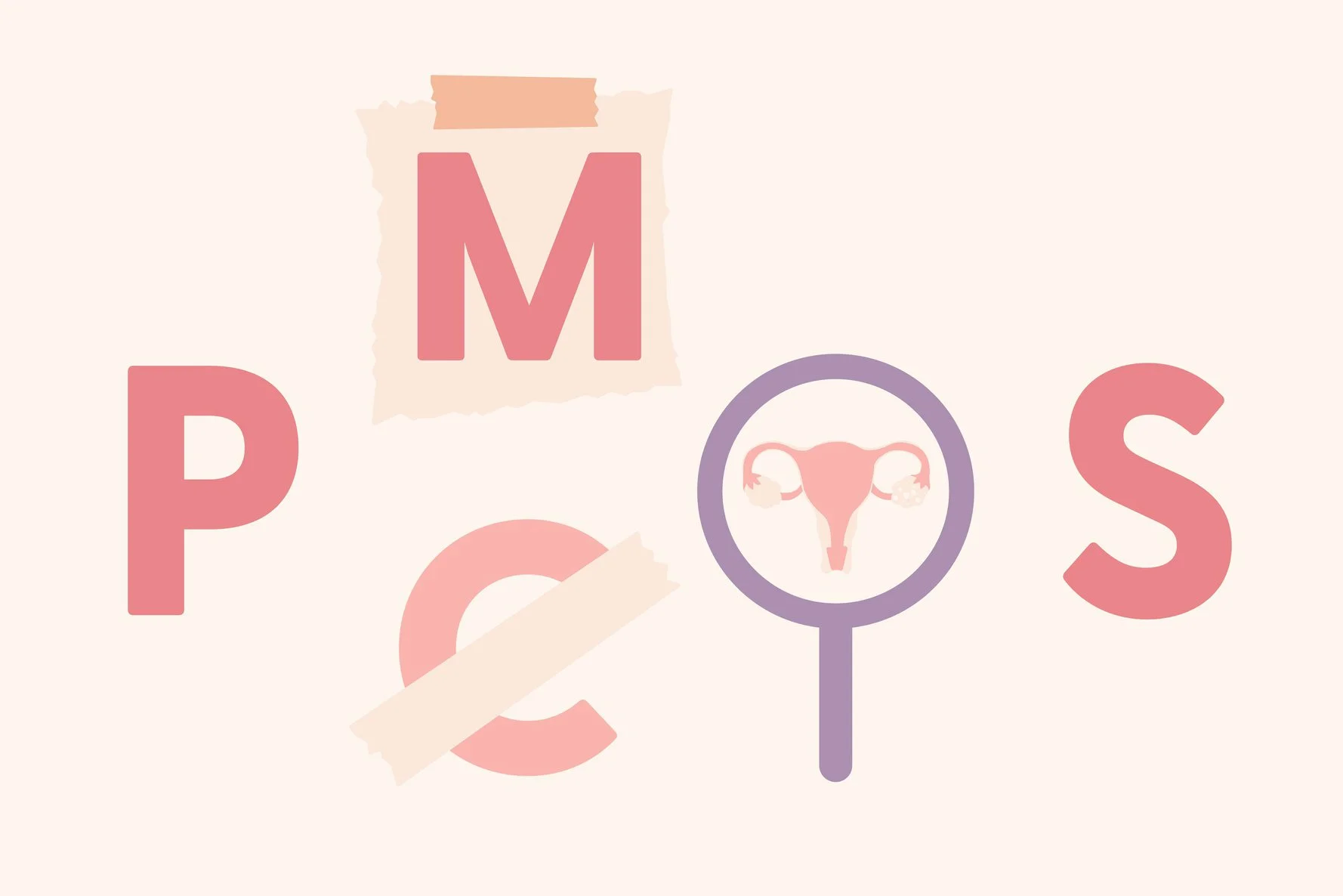
“PCOS is now being called PMOS, and the change matters more than you think.”
Why PCOS Was Renamed PMOS
The former name, Polycystic Ovary Syndrome (PCOS), was misleading for two important reasons.
First, not everyone diagnosed with PCOS has ovarian cysts. In many cases, the structures seen on ultrasound are actually small immature follicles rather than true cysts.
Second, the name suggested that the condition was primarily an ovarian disorder. Researchers now recognize that it can affect multiple systems throughout the body, including hormones, metabolism, reproductive function, and long-term health.
The new name, Polyendocrine Metabolic Ovarian Syndrome (PMOS), better reflects this broader understanding:
Polyendocrine highlights the involvement of multiple hormone systems.
Metabolic recognizes the important role of insulin regulation, blood sugar balance, weight changes, inflammation, and metabolic health.
Ovarian acknowledges that ovulation, menstrual cycles, and fertility may still be affected.
In simple terms, PMOS is the updated name for what has long been known as PCOS. While the condition itself has not changed, the new terminology does a better job of describing its whole-body impact.
Many healthcare providers, researchers, and medical organizations will continue using the term PCOS during the transition period. As the new terminology is gradually adopted through 2028 and beyond, patients may see both PCOS and PMOS used interchangeably. While the name is changing, the condition itself has not changed. The new terminology simply provides a more accurate description of its hormonal, metabolic, and reproductive effects.
Symptoms of PMOS
PMOS is not a new condition but is the updated name for what was previously called PCOS. What has changed is the medical language used to describe it, which now better reflects its hormonal and metabolic complexity.
Symptoms can vary widely from person to person. A woman with PMOS may experience irregular or absent menstrual cycles, difficulty ovulating, acne, unwanted facial or body hair growth, thinning hair on the scalp, weight changes, fatigue, fertility challenges, blood sugar imbalance, mood changes, or stress from unpredictable symptoms.
These symptoms are often interconnected and reflect underlying hormonal and metabolic patterns rather than isolated issues.
Beyond physical symptoms, PMOS can also affect how a woman experiences her daily life. Irregular cycles, energy shifts, skin changes, and fertility challenges can influence confidence, emotional well-being, and how she relates to her body over time. Because symptoms vary and may evolve, many women spend years trying to understand what is happening before receiving clear answers.
Importantly, not everyone will experience all symptoms. Some women have relatively regular cycles but still show signs of hormonal or metabolic imbalance. Others may not be diagnosed until they begin trying to conceive or undergo fertility evaluation.
Why the Name Change Matters for Women
The updated name is important because many women with PCOS have felt dismissed or narrowly treated for years. Some were told to “just lose weight,” others were offered only birth control, and many were advised to return only when trying to conceive.
This type of care can feel limiting, especially when symptoms affect energy, cycles, skin, mood, confidence, and overall well-being.
PMOS supports a broader conversation about the condition. It recognizes that effective care may involve multiple areas, including hormone regulation, metabolic health, stress management, nutrition, sleep, cycle awareness, fertility support, and emotional well-being.
While a name change does not change the condition itself, it can help shift how it is understood, encouraging a more complete view that goes beyond the ovaries.
PMOS affects more than lab results or ultrasound findings. It can influence how a person feels in her body, how she plans her daily life, and how she experiences her overall health and well-being. Because symptoms can vary widely, supportive care often needs to address both the physical and emotional aspects of the condition.
How can Acupuncture Support PMOS?
Acupuncture does not cure PMOS and should not replace medical evaluation, lab testing, or care from a physician. However, it can be a supportive part of a broader care plan for many women, especially when symptoms are chronic, multifactorial, or stress-sensitive.
In traditional East Asian medicine, treatment is based on individual patterns rather than a single diagnostic label. A practitioner considers how symptoms present across the whole system, including menstrual cycle timing, flow quality, PMS symptoms, digestion, sleep, stress levels, energy, temperature regulation, pain, and emotional well-being.
From this perspective, PMOS is not one fixed presentation. Some women show more cycle irregularity and ovulatory disruption, while others experience stronger metabolic symptoms such as weight changes, fatigue, cravings, or blood sugar instability. Many experience a combination that shifts over time.
Acupuncture can help support nervous system regulation, stress response, hormonal balance, menstrual cycle regularity, sleep quality, digestion, and overall resilience. When fertility is a concern, it is often used alongside Western medical care to support the body during a physically and emotionally demanding process.
PMOS is typically not a condition that responds to short-term or isolated treatment. Consistent, longer-term support tends to be more effective, especially when symptoms have been present for years or fluctuate over time.
A Holistic View of Women’s Health in Campbell, CA
Dr. Cindi Ignatovsky, DACM, L.Ac. provides acupuncture and holistic care for women in Campbell, San Jose, and the South Bay. Her approach is calm, compassionate, and individualized, with a focus on supporting patients through hormonal changes, fertility concerns, menstrual cycle challenges, stress, and overall well-being.
For conditions like PMOS, this type of care can be especially supportive, as symptoms often involve multiple systems of the body at the same time. Rather than focusing on a single symptom in isolation, care is directed toward understanding how the body is functioning as a whole.
This approach does not replace conventional medical care. In many cases, the most effective support comes from collaboration between providers such as primary care physicians, OB-GYNs, endocrinologists, fertility specialists, nutrition professionals, and complementary therapies like acupuncture.
Moving Forward With Better Understanding
The shift from PCOS to PMOS reflects an evolving understanding of a complex hormonal and metabolic condition. It is part of a broader effort to improve how these conditions are described and supported in clinical practice.
If you have been diagnosed with PCOS, you may begin seeing the term PMOS used more frequently in medical literature and discussions over time. During this transition, both terms may appear, but the underlying condition remains the same.
For women navigating irregular cycles, hormonal symptoms, or a previous PCOS diagnosis, acupuncture may be a supportive part of a comprehensive care plan.
Dr. Cindi Ignatovsky provides individualized treatment for women in Campbell, San Jose, and the South Bay who are seeking a more integrative approach to hormonal and menstrual health.
You are welcome to schedule a consultation to discuss your symptoms and explore whether acupuncture may be a good fit for your care.
Frequently Asked Questions About PMOS
Is PMOS the same as PCOS?
Yes. PMOS is the updated name for what was previously called PCOS (Polycystic Ovary Syndrome). The condition itself has not changed, only the terminology used to describe it.
Why was PCOS renamed PMOS?
The name was updated to better reflect the full-body nature of the condition. PMOS recognizes that hormonal, metabolic, and reproductive systems can all be involved, not just the ovaries.
Do all women with PCOS have ovarian cysts?
No. Many women diagnosed with PCOS do not have true ovarian cysts. What is often seen on ultrasound are small follicles rather than cysts, which is one reason the terminology is evolving.
What symptoms are associated with PMOS?
Symptoms can include irregular or absent menstrual cycles, acne, unwanted hair growth, hair thinning, weight changes, fatigue, fertility challenges, mood changes, and blood sugar imbalance. Not every person will experience all symptoms.
Is PMOS an official diagnosis?
PMOS is an emerging term used to better describe the condition historically known as PCOS. During the transition period, most medical providers and research still use the term PCOS.
Can acupuncture help with PMOS?
Acupuncture does not cure PMOS, but it can support stress regulation, hormonal balance, menstrual cycle health, sleep, digestion, and overall well-being. It is often used as part of a broader, integrative care plan.•
