

San Jose Acupuncture
Trying acupuncture for the first time can feel both hopeful and a little uncertain. If you’re searching for San Jose acupuncture, chances are something in your body isn’t quite right— stress that won’t let up, recurring headaches, digestion that’s off, or women’s health concerns such as hormonal imbalances or fertility challenges.
A first acupuncture visit shouldn’t feel like a mystery. It’s reasonable to want clear answers about what actually happens during an appointment, how safe acupuncture is, what treatment may cost, and how long it might take to notice improvement.
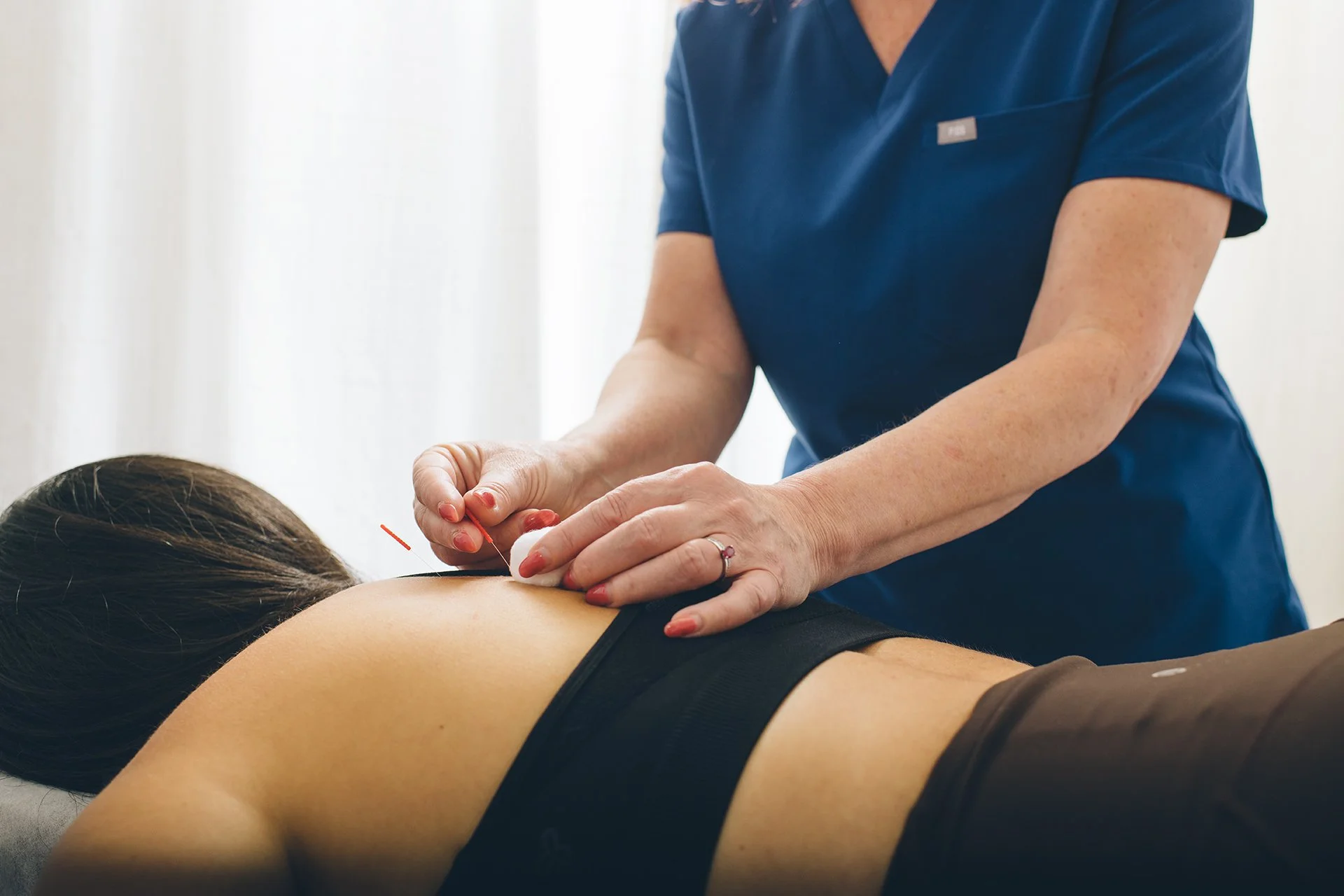
“Your first acupuncture visit is a time to be heard and get a clear plan. Dr. Cindi Ignatovsky, DACM, L.Ac., provides personalized care in Campbell for San Jose patients.”
This guide explains what to expect at your first acupuncture appointment in the San Jose and South Bay area, so you can walk in feeling comfortable, informed, and confident about the process. It’s based on what patients commonly experience when starting acupuncture care with an experienced practitioner.
What to Expect at Your First Visit
A first acupuncture visit is usually longer than follow-up appointments. This extra time allows your practitioner to understand the bigger picture of your health and gives you space to talk about what you’ve been experiencing and ask questions. Many patients are surprised by how much time is spent simply listening and discussing their symptoms, especially compared with the shorter visits that are common in conventional medical settings.
Expect a detailed intake and a conversation that connects your symptoms with your daily life, habits, and overall health history.
Most first appointments include:
Health history and goals | Your acupuncturist will ask about your main concerns as well as areas like sleep, stress levels, digestion, pain patterns, energy, menstrual health (if relevant), past diagnoses, medications, and lifestyle habits. Even issues that seem unrelated can provide helpful clues about what may be going on in the body. For patients focused on fertility or other women’s health issues, your practitioner may also discuss cycle patterns, hormonal considerations, and how acupuncture works over multiple menstrual cycles to support long-term balance.
Assessment | Many acupuncturists examine the tongue and take the pulse, which are traditional diagnostic tools used in East Asian medicine. They may also check areas of tension, range of motion, or palpate specific points that reproduce or relieve symptoms.
A treatment plan | Before treatment begins, your practitioner should explain what they plan to focus on first and how acupuncture may help. This usually includes a recommendation for treatment frequency early on and a general idea of what progress might look like over time.
A good first visit should leave you feeling heard, informed, and comfortable with the plan moving forward.
Does Acupuncture Hurt?
For most people, acupuncture is not painful. The needles used in acupuncture are extremely thin, often about the thickness of a strand of hair and much finer than the needles used for injections or blood draws.
During treatment, you might feel:
● A quick pinch or light sensation at insertion, which is usually very brief.
● Warmth, heaviness, tingling, or a dull ache around the needle, which often fades within a few seconds. These sensations are common and are considered a normal response during treatment.
● Deep relaxation during the session.Many patients become so relaxed that they drift off to sleep.
Many first-time patients are surprised by how calming acupuncture can feel, especially when stress, muscle tension, or poor sleep are part of what brought them in.
Safety: What You Should Expect From a Reputable Clinic
In California, licensed acupuncturists complete over 3,000 hours of formal training, including extensive clinical experience, and are required to use sterile, single-use needles. This makes acupuncture a very safe therapy when performed by a qualified practitioner.
At a reputable clinic, you can expect:
● Single-use, sterile needles for every treatment.
● Clean treatment rooms and strict hygiene protocols.
● A thorough medical history screening, including questions about pregnancy, medications (like blood thinners), bleeding disorders, or implanted devices such as pacemakers if electro-acupuncture is planned.
Mild side effects are possible and may include temporary soreness, small bruises, or feeling unusually tired or deeply relaxed after your session. Serious complications are extremely rare when care is provided by trained, licensed acupuncturists.
It’s important to remember that acupuncture is a complementary therapy. If you experience severe or sudden symptoms, such as chest pain, fainting, shortness of breath, sudden weakness or numbness, or a severe new headache, seek urgent medical evaluation rather than relying on acupuncture alone.
Cost: What to Expect for Acupuncture in the San Jose Area
Acupuncture pricing can vary across the San Jose and South Bay area depending on the practitioner’s experience, appointment length, and what’s included in the session. Here’s what you can generally expect when visiting a licensed San Jose acupuncture provider:
● First visits usually costmore because they include a thorough assessment, personalized treatment plan, and time to discuss your health in detail. Appointments focused on fertility or women’s health may take a bit longer, which can influence pricing, but the extra time helps ensure your care is tailored to your needs.
● Follow-up appointments are generally shorter and priced lower, focusing on treatment adjustments and ongoing support.
The most important factor isn’t the exact price, it’s that your practitioner clearly explains the plan, what each session includes, and how progress will be evaluated. That transparency helps you feel confident that your care is individualized and effective.
Tip | When scheduling with a San Jose acupuncture clinic, ask what the first visit covers, how long it typically lasts, and how follow-up frequency is determined. This simple step ensures you understand your care and can move forward feeling informed and comfortable.
Results Timeline: When Should You Expect to Notice a Difference?
The timeline for seeing results from acupuncture depends on your specific concerns and how long they’ve been present. Here’s a general guide:
Acute issues (recent onset) | If your symptoms are new and clearly defined, improvement can sometimes be noticed within just a few sessions.
Chronic patterns (months or years) | Long-standing issues usually take longer to shift. The goal is not just a temporary “good day,” but stable improvement that lasts between visits. Achieving this often requires consistent treatment in the early stages.
Reproductive or hormonal concerns | Lasting improvement often becomes more noticeable after several menstrual cycles, reflecting the gradual balancing effect acupuncture can have on hormones and cycles.
Stress, sleep, and nervous system support | Some patients feel calmer or more relaxed right away, but lasting benefits typically build over repeated sessions, especially when stress is ongoing and recovery time is limited.
A skilled acupuncturist will set checkpoints, often after 4–6 visits, to evaluate changes in symptoms, sleep, energy, pain, or digestion. These check-ins allow the treatment plan to be adjusted based on your progress, ensuring that care remains effective and personalized.
How Many Sessions Will You Need?
The number of acupuncture sessions you need varies depending on your health goals, the nature of your symptoms, and how your body responds. Most practitioners start with a short, consistent phase before spacing treatments out:
● 1–2 times per week early on, often for a few weeks to help build momentum.
● Gradually tapering as symptoms stabilize and improvements hold between sessions.
● Maintenance treatments only if they provide ongoing benefit and support your overall wellness.
For fertility or other women’s health concerns, the timeline can be longer. Because acupuncture works by supporting hormonal balance and regulating menstrual cycles, it typically takes at least three full cycles to see the full effect. Your practitioner may adjust frequency based on your cycle, symptoms, and reproductive goals.
There’s no “one size fits all” when it comes to acupuncture. A thoughtful practitioner will explain why they recommend a particular frequency and adjust your plan based on how your body responds, ensuring care is always tailored to you.
How to Prepare for Your First Session
To get the most from your first acupuncture visit:
● Eat a light meal beforehand. Coming on an empty stomach can make you feel dizzy, while a heavy meal can make you uncomfortable.
● Wear comfortable clothing that allows easy access to your arms, legs, and torso.
● Avoid strenuous workouts right before your appointment.
● Bring a list of any medications or supplements you take regularly.
● Be ready to describe your symptoms clearly—when they started, what makes them better or worse, and how often they occur.
After your session, try to plan for a calmer evening if possible. Many patients notice improved sleep, a sense of relaxation, or reduced tension following treatment.
A Local Option for San Jose: Dr. Cindi Ignatovsky in Campbell
If you’re in San Jose and looking for an experienced South Bay acupuncture provider, Dr. Cindi Ignatovsky, DACM, L.Ac., is a fertility and women’s health specialist with over 21 years of clinical experience. She practices in Campbell, just a short drive from many San Jose neighborhoods.
Her care focuses on holistic support with clear treatment planning, commonly helping patients with:
Stress, anxiety, and depression
Migraines and headaches
Digestive issues
Autoimmune conditions
Women’s health, fertility, and pregnancy support
General wellness goals
And much more
Dr. Ignatovsky emphasizes realistic, patient-centered care with proven results.
To schedule your first appointment or a free 15-minute phone consultation, text 408-761-6251 or click here.
